How to Build ABM Around the Buying Committee
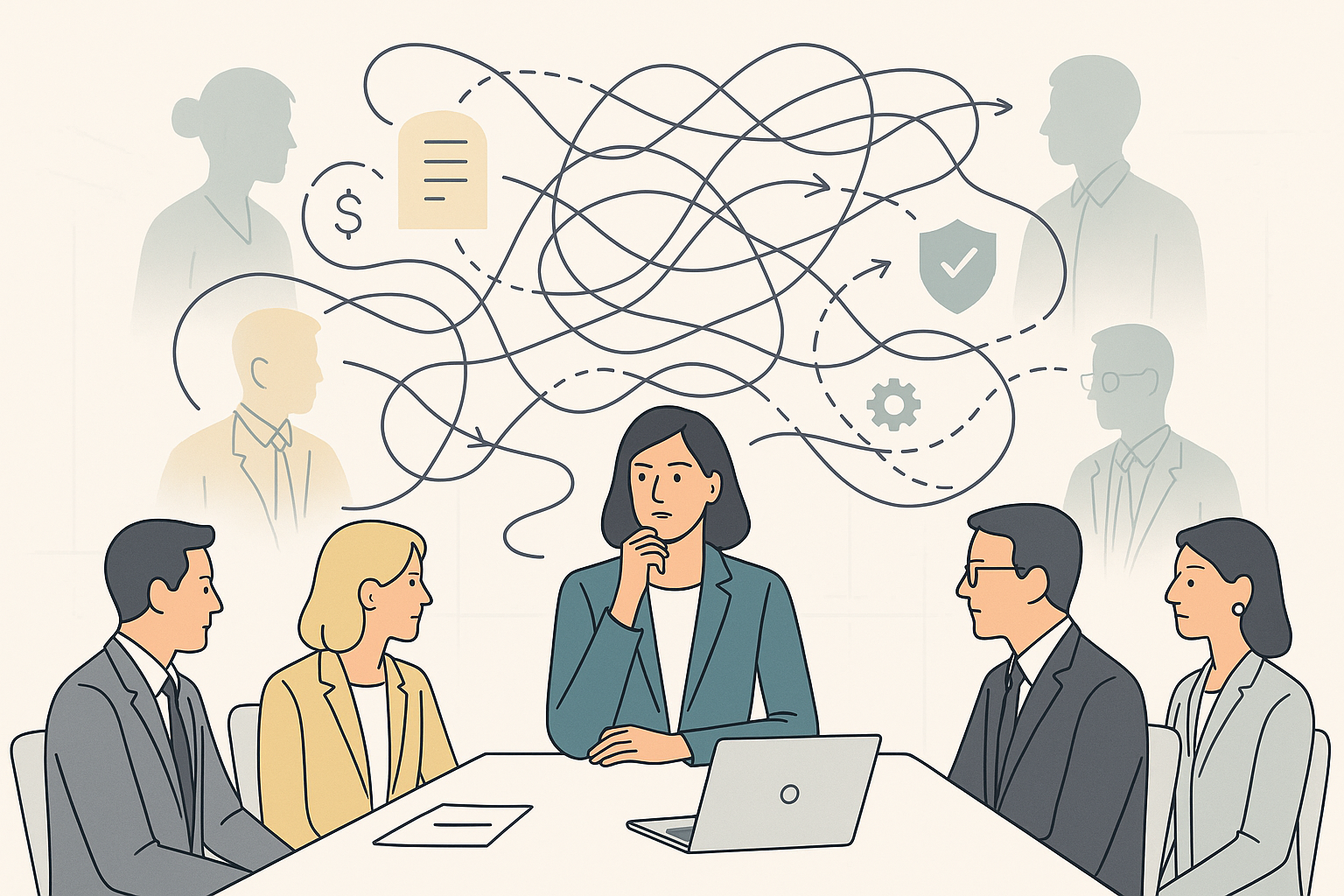
What Enterprise Buying Committees Actually Look Like
Many enterprise deals slow down after the value proposition has already landed.
The decision often shifts to internal conversations involving stakeholders that marketing and sales have not yet engaged.
Building ABM around a buying committee means mapping every person who can approve, delay or redirect the purchase, then giving each stakeholder the evidence needed for the next internal decision. Personas describe individuals. A decision map shows how those individuals influence one another.
Your champion may love the demo but struggle to secure support from finance. Legal may reopen questions you thought had been resolved, while a new IT leader introduces additional security requirements. The opportunity then slows or goes quiet without a clear explanation.
That gap is expensive. Forecast confidence drops, sales cycles extend, and account spend continues while teams follow up with the same contacts. The campaign may be generating engagement while opportunity conversion remains weak because the people shaping the decision have received little support.
Buying committees rarely move from MQL to closed-won in a straight line. Each stakeholder brings different responsibilities, concerns and levels of influence to the decision.
An effective ABM strategy reflects how groups evaluate risk, negotiate competing priorities and build internal agreement.
I have applied this approach across ABM programs in technology, healthcare and education. Those campaigns have helped close eight-figure deals, revive opportunities that had gone quiet and give internal champions the evidence they needed to build support.
Why Enterprise Buying Decisions Slow Down
Enterprise deals routinely involve several stakeholders, each with different objectives and responsibilities. Gartner has reported an average of 9.6 people involved in B2B purchasing decisions.
- Finance worrying about cost, risk and payback.
- Legal hunting for liability in fine print.
- IT focused on integration headaches and roadmap conflicts.
- Procurement demanding documentation, compliance proof and audit trails.
- End-users wary of disruption to their daily workflows.
- Executive sponsors watching alignment with strategic goals.
Marketing aimed at one generic “buyer” usually misses the concerns that emerge as more stakeholders enter the decision.
In a campaign for a cloud-based learning platform, our champion was the Director of Learning. The demo went well, but a week later, the CIO called for a two-month pause to re-evaluate priorities. We initially read the request as a loss of interest. A follow-up conversation showed that an unresolved security concern was driving the delay. We provided a compliance report tailored to the organization’s environment, and the committee resumed discussions. The agreement was signed within 60 days.
Addressing the CIO’s specific concern gave the committee the evidence it needed to continue the evaluation.
Move From Persona Profiles to Decision Maps
Persona profiles identify the people involved. A decision map shows how those people influence one another throughout the buying process. I help B2B teams build decision maps for complex accounts.
A list of titles such as CIO, procurement lead and operations manager does not explain how those stakeholders affect one another. Most persona worksheets treat them as separate audiences, while the buying decision depends on how their priorities intersect.
In one school SaaS initiative I advised, we developed content for principals, administrators and PTA members, but the opportunity slowed during the finance review because procurement had not been included early enough. We had not created anything procurement could use to support the investment internally.
We created a procurement-specific one-pager with cost-benefit scenarios based on the district’s budget data. Finance could evaluate the economics, and procurement had the documentation it needed to assess the purchase. The project moved forward.
A decision map identifies the people who can advance, delay or redirect the conversation, including those who are not part of the initial engagement.
The Psychology Behind Group Decisions
A stakeholder map becomes useful when it also captures how people build confidence, respond to risk and influence one another. Five group dynamics are especially relevant in complex B2B decisions.
- Commitment and consistency
A stakeholder who has publicly supported a proposal is more likely to continue advocating for it, particularly when you give them credible evidence to defend that position. - Social proof
Stakeholders often use the experience of similar organizations to judge whether a decision is credible and defensible. - Loss aversion
Committee members are usually accountable for the risks attached to a decision. Your content should help them understand and reduce those risks. - The Abilene Paradox
Committees can appear aligned when individual members are reluctant to raise concerns. Sales and marketing need to surface those concerns before they become late-stage objections. - A credible view of implementation
Stakeholders need to understand what implementation will require, how their workflows will change and when they can expect to see value.
A fintech client was concerned about the resources required by a long evaluation cycle. We introduced a future-state roadmap microsite with implementation milestones and examples of how user dashboards would look at each phase. The roadmap gave each stakeholder a clear view of the implementation process and the expected workflow at every stage. The evaluation period decreased by 30 percent, and the agreement closed three weeks ahead of target.
Is Your ABM Program Missing Part of the Committee?
Look at the opportunities your team expected to close this quarter. A committee coverage problem is likely when:
- A strong demo is followed by silence or repeated rescheduling.
- Finance, legal or IT enters late and reopens questions.
- Sales cannot name the person responsible for the next internal approval.
- Your champion asks for materials that marketing has to create from scratch.
- Account engagement is high while qualified opportunities convert below plan.
When several of these patterns appear across the same accounts, adding more ads or sending another nurture sequence increases spend without resolving the decision. Identify the missing stakeholders, the evidence each person needs and the internal event that will trigger the next review.
Keeping the Decision Map Current
Update the decision map as new stakeholders, concerns and influence patterns emerge.
Step 1: Catalog the obvious
Gather names from discovery calls, CRM tags and email threads.
Step 2: Uncover the hidden players
Talk to your sales rep: “Who usually weighs in at this stage?” Scan webinar attendee lists for unexpected job titles.
Step 3: Note motivations and fears
Record each stakeholder’s primary concern, such as cost, risk, implementation effort or user adoption, along with the objection they are most likely to raise.
Step 4: Update as you go
Treat the map as a living document. After every meeting, adjust roles, add new stakeholders and shift influence lines.
| Stakeholder | Role in Decision | What Drives Them | Potential Objection | Strategy to Address It |
|---|---|---|---|---|
| Director of Marketing | Champion | Early wins, time saved | “Does this integrate with our stack?” | Pre-built API demo + integration guide |
| VP of Finance | Approver | Budget impact, ROI | “Is this expense justified?” | ROI model + analog budget scenarios |
| Head of IT | Gatekeeper | Security, stability | “How does this affect uptime?” | Compliance certificate + uptime guarantee stats |
| Procurement Lead | Influencer | Vendor reliability, SLAs | “What if they underdeliver?” | Case study on on-time delivery, SLA performance |
| End-user Lead | Silent Influencer | Usability, training requirement | “Will this disrupt our workflow?” | Video tutorial + sandbox access |
The map helps marketing and sales deliver the right evidence to each stakeholder as the decision progresses.
Equipping Champions with Internal Tools
Your champion needs practical materials they can use to explain and defend the proposal internally. This support is missing from many ABM programs.
Useful materials may include:
- An internal business case template pre-filled with company-specific metrics.
- A neutral comparison of your solution with the organization’s existing tools, based on relevant evidence.
- A briefing deck for procurement, highlighting SLA terms, pricing structures and ROI benchmarks.
- Short videos that champions can forward to silent stakeholders with a quick, personalized note.
In a recent engagement with a global HR tech firm, we delivered an executive sponsor pack three days before its board review. It included high-level talking points aligned with the organization’s strategic objectives. The executive sponsor used the material during the board review, helping secure approval for the budget.
These assets helped sales support the opportunity through internal review.
Personalize Around the Friction Delaying the Decision
Segment the account according to the concerns delaying the decision, as well as each stakeholder’s role.
- If finance expects strict cost controls, provide a scenario planning tool showing different budget allocations.
- If legal fears data exposure, share an anonymized security audit report from a similar customer.
- If end-users dread change management, offer an on-demand walkthrough that demonstrates ease of use in under five minutes.
During an ABM pilot for a mid-market software provider, interviews revealed that the legal team’s main concern was third-party data sharing. We created a focused resource for legal that included review FAQs, data-processing agreements and encryption details. Legal stakeholders used it during the evaluation, and the final contract negotiation was shortened by one month.
Use CTAs That Help the Committee Take the Next Step
Once several stakeholders are involved, a generic demo CTA rarely helps the committee move forward. Use the CTA to make the next internal step easier.
Give your champion a clear way to involve the next stakeholder:
- “Who else needs to see this overview?” prompts champions to loop in missing players.
- “Could we schedule a security walkthrough for your IT lead?” moves internal logistics forward.
- “Here’s a draft email you can forward to procurement.” puts the next step in your champion’s hands.
One campaign centered on budget-planning calendars and used a “Q4 budget checklist for finance, IT and executive sponsors” as the CTA. The checklist was forwarded across the target accounts and reached stakeholders beyond the original recipients. Engagement exceeded our forecast, and the value of opportunities in negotiation increased by 40 percent.
Timing Your Plays Around Internal Milestones
Buying decisions often advance around annual planning, quarterly reviews and leadership offsites. These meetings create natural deadlines for internal alignment.
Prepare a strategic planning pack that reaches the committee before those meetings. It can include:
- A roadmap template mapped to the upcoming fiscal year.
- Case studies featuring similar companies and outcomes.
- Risk mitigation plans addressing top internal objections.
When I supported a GTM revamp for a scaling SaaS vendor, we timed the pack to arrive two weeks before its executive offsite. By the time the offsite began, stakeholders were already using our materials in their internal discussions. The agreement closed in half the client’s usual sales cycle.
A Practical ABM Checklist
Many ABM programs remain too shallow to support the full buying decision.
ABM works when it reflects the competing priorities, internal relationships and changing concerns within the buying committee.
- ✓Map every stakeholder beyond the superficial persona documents.
- ✓Identify the risks and concerns each stakeholder is accountable for.
- ✓Equip your champion to make the case internally.
- ✓Personalize based on role and internal tension.
- ✓Time plays to match the committee’s internal decision rhythms.
- ✓Account for group dynamics when planning content and sales support.
Diagnose the Accounts Taking Longer Than Expected
When opportunities go quiet after strong early engagement, the missing information is often inside the buying committee. Waiting for the champion to resolve it alone extends the sales cycle, weakens forecast confidence and gives unresolved concerns more time to reshape the decision.
I help B2B teams diagnose live ABM opportunities and correct the stakeholder gaps that are reducing conversion. In a working session, we will examine the accounts taking longer than expected, map the people influencing each decision, identify the unresolved concern delaying the next step, and decide which evidence sales and marketing need to provide.
You will leave with a prioritized action plan for the accounts that deserve immediate attention, including the stakeholders to engage, the content to create and the next internal milestone to work toward.


Jahnavi Ray is a data obsessed marketing leader with 17+ years of experience driving demand, building GTM engines, and mentoring growth-stage B2B teams. She’s led marketing inside startups, scaled systems at global SaaS companies, and now shares her playbooks to help founders and marketers turn chaos into clarity, and pipeline into predictable revenue. When she’s not mapping growth ecosystems or coaching on GrowthMentor, you’ll find her practicing yoga, chasing her two gremlins, or building something meaningful in Toronto.
One comment
Comments are closed.

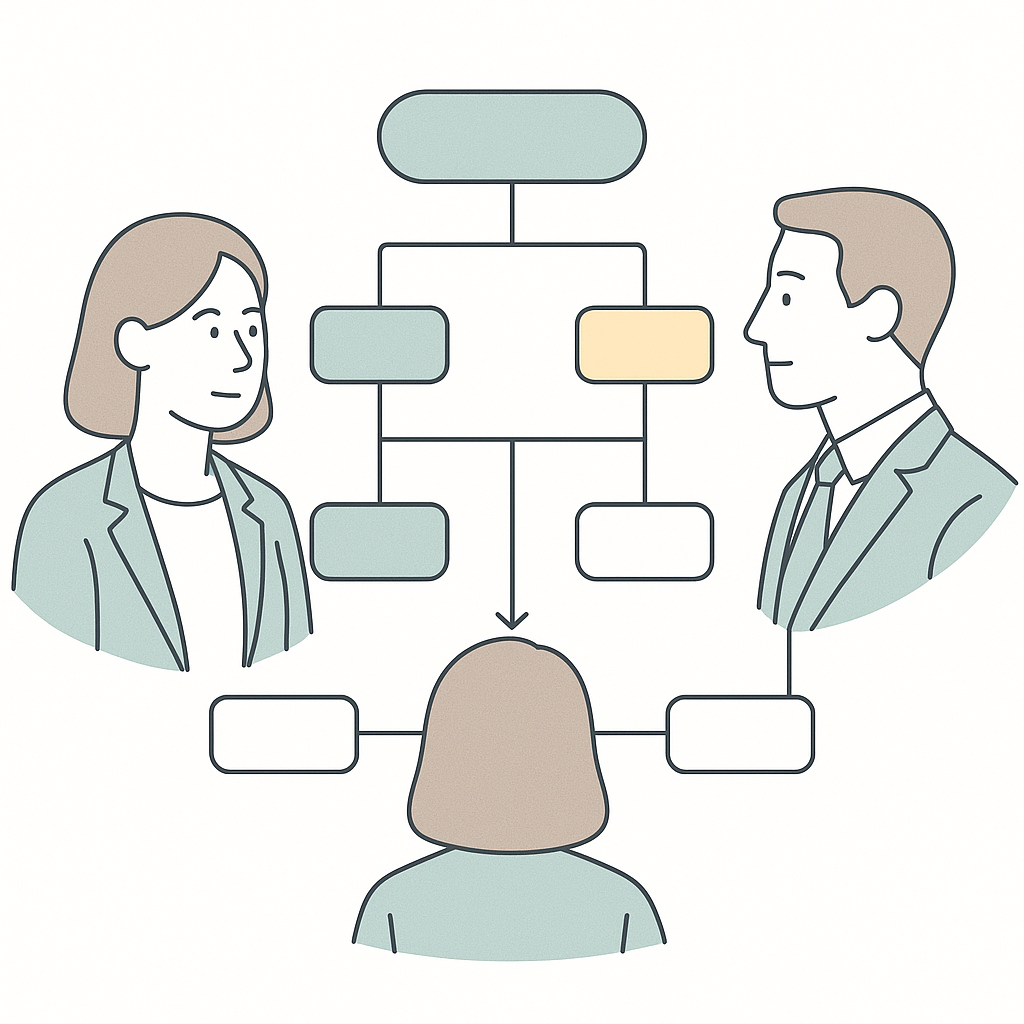

[…] champion while the economic buyer, technical evaluator and procurement lead remain absent. Build a decision map for the buying committee and track which roles have received the evidence they […]